LONDON, Oct 13 (Reuters) – A Russian region adjoining Ukraine said it was preparing to receive refugees from the Russian-held part of Ukraine’s Kherson province, after its Russian-appointed leader proposed on Thursday that residents leave to seek safety as Ukrainian forces advance.Most of the Kherson region was seized in the first days of Russia’s invasion as it sent in troops from adjoining Crimea. It is one of four partly occupied Ukrainian regions that Russia proclaimed as its own last month in a move overwhelmingly condemned on Wednesday by the U.N. General Assembly.However, since August it has been the scene of a major advance by Ukrainian forces.Register now for FREE unlimited access to Reuters.comIn a video statement on Telegram, Vladimir Saldo publicly asked for government help in moving civilians to safer regions of Russia.”Every day, the cities of Kherson region are subjected to missile attacks,” Saldo said.”As such, the leadership of Kherson administration has decided to provide Kherson families with the option to travel to other regions of the Russian Federation to rest and study,” he said, adding that people should “leave with their children”.He said the suggestion applied foremost to residents on the west bank of the Dnipro River – an area that includes the regional capital, Kherson.
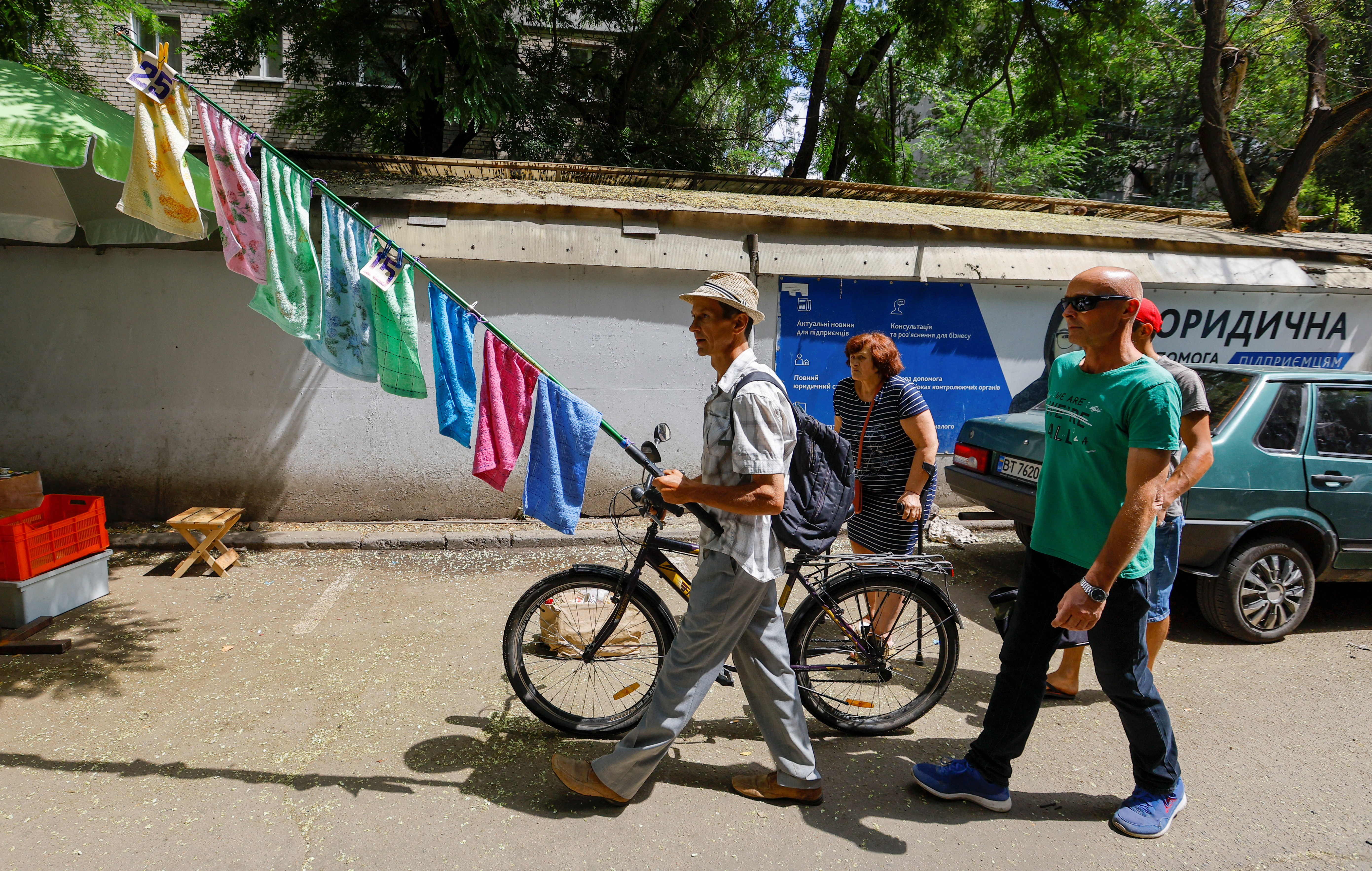
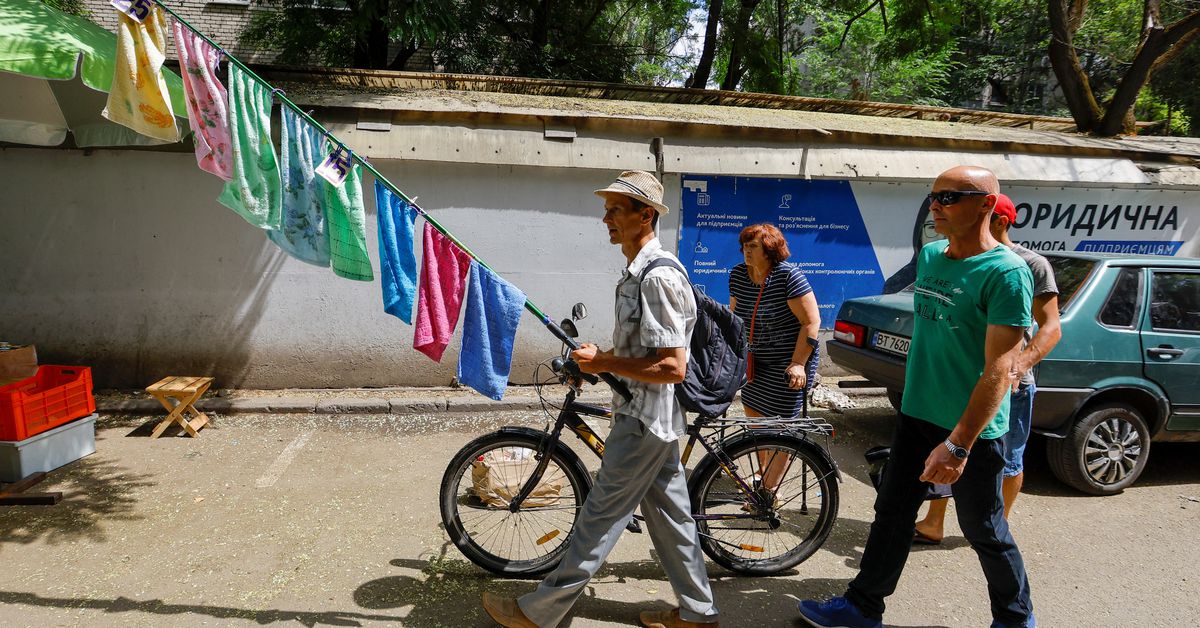
Local residents visit a street market during Ukraine-Russia conflict in the Russia-controlled city of Kherson, Ukraine July 26, 2022. REUTERS/Alexander Ermochenko”But at the same time, we suggested that all residents of the Kherson region, if there is such a desire, to protect themselves from the consequences of missile strikes, also go to other regions.”The TASS news agency quoted the governor of Russia’s Rostov region, Vasily Golubev, as saying that a first group of people from Kherson would arrive there on Friday.”The Rostov region will accept and accommodate everyone who wants to come to us from the Kherson region,” he said.Russian Deputy Prime Minister Marat Khusnullin said those leaving Kherson would be provided with free accommodation and necessities – and, if they decided to remain outside Kherson permanently, with housing.Russia’s incorporation of the four regions has been denounced by Kyiv and the West as an illegal annexation like that of Crimea, which Russia seized in 2014. At the U.N. General Assembly, 143 of 193 countries condemned it in Wednesday’s vote.Ukrainian authorities say hundreds of thousands of Kherson’s residents have fled, mostly to unoccupied parts of Ukraine, including half the pre-war population of the regional capital.Any major territorial losses in Kherson would restrict Russia’s access to the Crimean peninsula further south, whose return Kyiv has coveted since 2014.Register now for FREE unlimited access to Reuters.comReporting by Reuters; Editing by Kevin Liffey, Mark Trevelyan and Sandra MalerOur Standards: The Thomson Reuters Trust Principles. .
India’s Reliance launches first in-house premium fashion store
BENGALURU, Sept 29 (Reuters) – Reliance Industries Ltd’s (RELI.NS) retail unit launched its first in-house premium fashion and lifestyle store on Thursday, as the billionaire Mukesh Ambani-led company continues to grab a bigger slice of India’s luxury market.The new store chain called Azorte, the first of which was launched in Bengaluru, will compete with the likes of Mango and Industria de Diseno Textil SA-owned Zara (ITX.MC), and cater to millenials and Gen Z.”The mid-premium fashion segment is one of fastest growing consumer segments as millennials and the Gen Z are increasingly demanding the latest of international and contemporary Indian fashion,” Akhilesh Prasad, chief executive of the fashion and lifestyle arm of Reliance Retail, said.Register now for FREE unlimited access to Reuters.comThe launch is a part of the Ambani company’s aggressive strides in the retail industry, forging partnerships with domestic and global brands. read more The company plans to build a portfolio of 50 to 60 grocery, household and personal care brands within the year and is in advanced talks to get the rights for LVMH-owned French beauty brand Sephora in India.Reliance’s luxury and lifestyle foray has been led by Ambani’s daughter Isha.Register now for FREE unlimited access to Reuters.comReporting by Nandan Mandayam and Nivedita Bhattacharjee in BengaluruOur Standards: The Thomson Reuters Trust Principles. .
AppLovin offers to buy video game software maker Unity in $17.5 bln deal
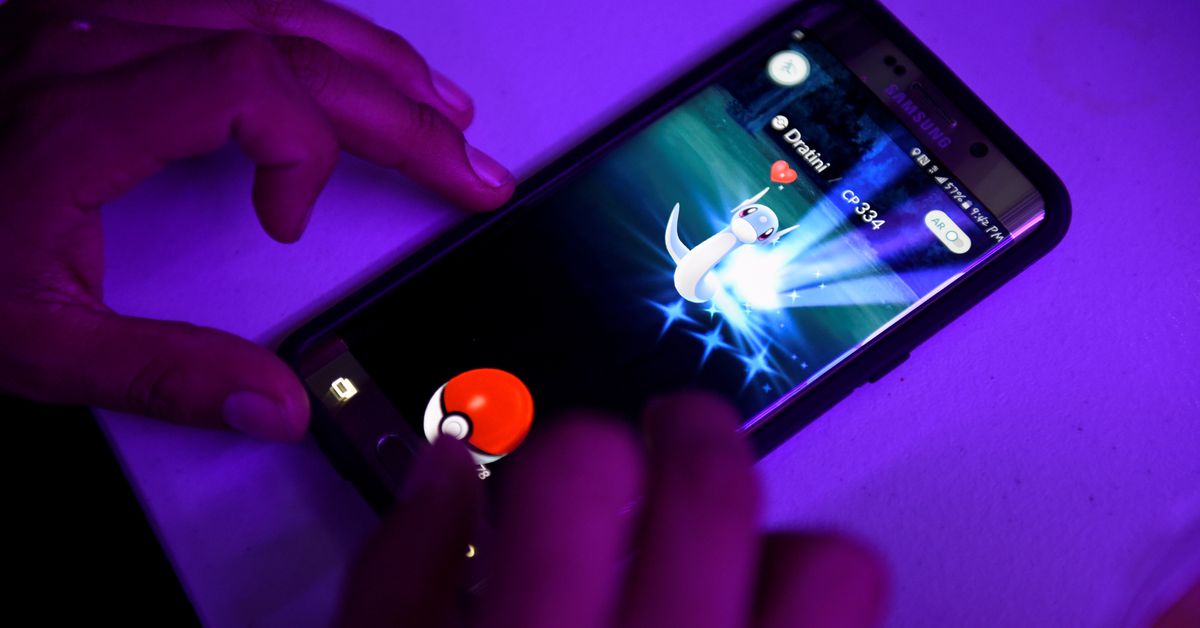
People play “Pokemon GO” on the Pokequan GoBoat Adventure Cruise in the Occoquan River in the small town of Occoquan, Virginia, U.S. August 14, 2016. REUTERS/Sait Serkan GurbuzRegister now for FREE unlimited access to Reuters.comAug 9 (Reuters) – Gaming software company AppLovin Corp (APP.O) made an offer on Tuesday to buy its peer Unity Software Inc (U.N) in a $17.54 billion all-stock deal, threatening to derail Unity’s announced plan to acquire AppLovin’s smaller competitor ironSource .AppLovin has offered $58.85 for each Unity share, which represents a premium of 18% to Unity’s Monday closing price. Unity will own 55% of the combined company’s outstanding shares, representing about 49% of the voting rights.AppLovin hired advisors to work out an offer after Unity last month said it would buy ironSource in a $4.4 billion all-stock transaction, sources familiar with the matter told Reuters. Unity’s board will have to terminate the ironSource deal if it wants to pursue a combination with AppLovin, according to the proposal.Register now for FREE unlimited access to Reuters.comUnder the proposed deal, Unity’s Chief Executive John Riccitiello will become CEO of the combined business, while AppLovin Chief Executive Adam Foroughi will take the role of chief operating officer.Unity said its board would evaluate the offer. The company is slated to report its earnings after the bell on Tuesday.Both companies make software used to design video games. Game-making software has also been expanding to new technologies such as the so-called metaverse, or immersive virtual worlds.Unity’s software has been used to build some of the most-played games such as “Call of Duty: Mobile,” and “Pokemon Go”, while AppLovin provides helps developers to grow and monetize their apps.AppLovin’s offer comes as game developers and console makers warn of a slowdown in the sector as decades-high inflation and easing of COVID-19 restrictions lead gamers to pick outdoor activities. The company lowered its sales guidance on Tuesday.”The deal comes as surprise to everybody in the business,” said Serkan Toto, founder of game industry consultancy Kantan Games. “It’s a $15 billion company going after a $15 billion company. It’s a desperate attempt to consolidate and the chances of this deal happening are very slim.”Shares of Palo Alto, California-based AppLovin, which went public last year, fell 9.9% while those of Unity rose 1% in the morning trading session. Shares of ironSource were down 9.7%.Foroughi said the combined company will have the potential to generate an adjusted operating profit of over $3 billion by the end of 2024.Register now for FREE unlimited access to Reuters.comReporting by Eva Mathews and Nivedita Balu in Bengaluru, Krystal Hu in New York; Editing by Saumyadeb Chakrabarty and Mike HarrisonOur Standards: The Thomson Reuters Trust Principles. .
EDF shares suspended as France prepares nationalisation plan
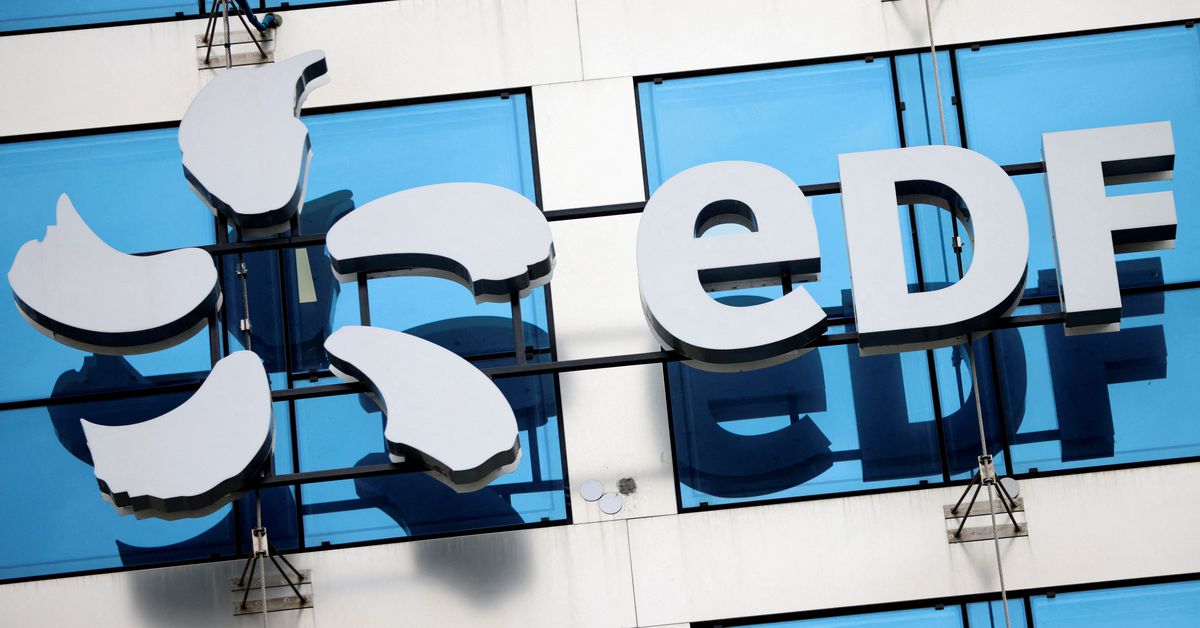
View of the company logo of Electricite de France (EDF) on the facade of EDF’s headquarters in Paris, France, July 7, 2022. REUTERS/Johanna GeronRegister now for FREE unlimited access to Reuters.com
- French government aiming to fully nationalise EDF
- State already holds an 84% stake in the group
- Utility grappling with outages and tariff caps
PARIS, July 13 (Reuters) – Shares in debt-laden EDF (EDF.PA) were suspended on Wednesday as the French government prepares to detail its plans to fully nationalise Europe’s biggest nuclear power operator.France said last week it wanted to fully nationalise EDF, in which the state already holds an 84% stake, without explaining how it would do so. In a statement, the finance ministry said it would clarify its plans before the market opens on July 19 at the latest.Taking EDF back under full state control would give the government greater licence to restructure the group that runs the nation’s nuclear power plants, as it contends with a European energy crisis.Register now for FREE unlimited access to Reuters.comA finance ministry source said the suspension of EDF shares, which was requested by the company, was temporary and trading would resume once the government had made clear how it would fully nationalise the utility.EDF has been grappling with extraordinary outages at its nuclear fleet, delays and cost overruns in building new reactors, and power tariff caps imposed by the government to shield French consumers from soaring electricity prices.Two sources told Reuters this week that the government was poised to pay up to 10 billion euros to buy the 16% stake in the group it does not already own, after including the purchase of convertible bonds and a premium it is expected to offer to minority shareholders. read more That would translate into a buyout price of close to 13 euros per share, a 30% premium to current market prices but still a big loss for long-term shareholders, as the group was listed in 2005 at a price of 33 euros per share.”A 30% premium does not seem unreasonable given the market fluctuations of the share price – we are still talking about a 50% to 60% loss for shareholders,” said Antoine Fraysse-Soulier, head of market analysis at eToro in Paris.The sources said the state wanted to move quickly and would probably launch a voluntary offer on the market rather than push a nationalisation bill through parliament, with the aim of closing the operation in October-November.”The government may want to offer a sufficient premium to avoid legal challenges and resulting delays to the offer,” JPMorgan analysts said in a note.EDF did not give a reason for requesting the suspension of its shares, which have risen 30% since the nationalisation announcement, increasing the cost of buying out minorities. The finance ministry source said the move was “among routine tools to manage financial markets in this kind of situation”.”I would imagine it is to stop the price going up to a point that the French government ends up having to pay over the odds for the remaining shares in issue,” a London trader said.The shares closed at 10.2250 euros on Tuesday.In a sign of how badly reactor outages are affecting the company, which is expected to post a loss this year, EDF said power generation at its French nuclear reactors fell by 27.1% in June from a year earlier after the discovery of stress corrosion took several sites off line.EDF has said it expects an 18.5 billion euro hit to its earnings in 2022 from production losses, and further losses of 10.2 billion euros from the energy price cap.($1 = 0.9964 euros)Register now for FREE unlimited access to Reuters.comAdditional reporting by Joice Alves in London and Marc Angrand in Paris; Writing by Silvia Aloisi; Editing by Edmund Blair, Jan Harvey, Kirsten DonovanOur Standards: The Thomson Reuters Trust Principles. .
EXCLUSIVE World Cup stadium stands will be alcohol free under Qatari curbs – source
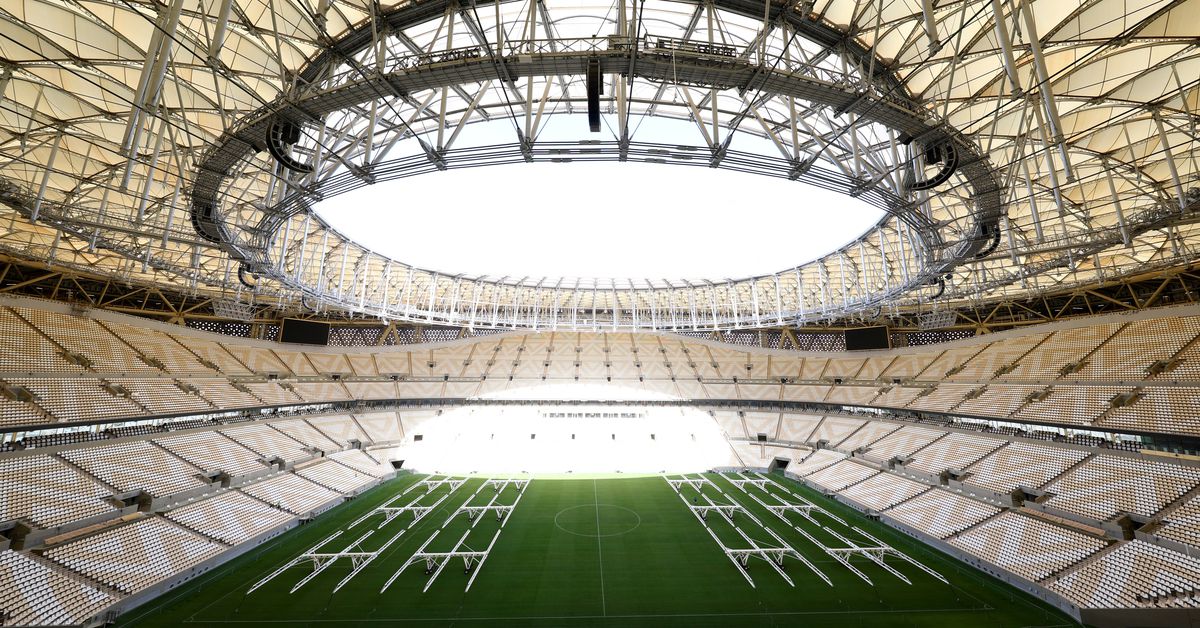
DOHA, July 7 (Reuters) – Qatar’s World Cup stadium stands are set to be alcohol-free, with beer sales outside arenas only allowed before and after some matches, a source with knowledge of plans for the soccer tournament said.This year’s World Cup is the first to be held in a Muslim country with strict controls on alcohol, presenting unique challenges for organisers of an event often associated with beer drinking fans and sponsored by global brewing brands.”At stadiums, the plans are still being finalised, but the current discussion is to allow fans to have beer upon arrival and when leaving stadium, but beer won’t be served during the match or inside the stadium bowl,” the source told Reuters.Register now for FREE unlimited access to Reuters.comA document dated June 2 and seen by Reuters gives the first insight into how organisers plan to handle the demands of an estimated 1.2 million soccer fans, many of whom are used to drinking beer without limits on match days.Soccer’s relationship with booze has long been a tricky one and in the lead up to the 2014 World Cup, Brazil lifted a ban on alcohol at stadiums, after pressure from governing body FIFA.There has been a question mark over alcohol at this year’s tournament since the Gulf Arab state won hosting rights in 2010. While not a “dry” state like neighbouring Saudi Arabia, consuming alcohol in public places is illegal in Qatar.However, fans at November’s World Cup will also be able to buy beer during restricted times in certain parts of the main FIFA fan zone in the Al Bidda park in Doha, the Qatari capital.”Unlike previous World Cup fan zones, beer won’t be served all day long, but at restricted times,” the source added.Alcohol will also be available for 15,000 to 20,000 fans on a disused corner of the Doha Golf Club, some kilometres away from stadiums and the main fan zone, the document shows.In addition, a sandy plot surrounded by a 3 metre wall and located between the delivery entrance of a hotel and a district cooling plant will be transformed into a 10,000 capacity venue promising Techno music and alcohol, the document shows.A spokesperson for the organisers, Qatar’s Supreme Committee for Delivery and Legacy, said that together with FIFA they will announce plans on the availability of alcohol at the 28-day tournament “in due course”.”Alcohol is already available in designated areas in Qatar, such as hotels and bars, and this will not change in 2022. With the aim of catering to visiting fans in 2022, alcohol will be available in additional designated areas during the tournament,” the spokesperson said.’FAMILY FRIENDLY’Although FIFA’s website advertises free flowing “beers, Champagne, sommelier-selected wines, and premium spirits” in stadium VIP hospitality suites, alcohol was not sold in stadiums in December during a test event for the World Cup.Visitors are prohibited from carrying alcohol into Qatar, even from airport duty free, and they cannot shop at the country’s only liquor store, on the outskirts of Doha, where foreign residents with permits can buy for home consumption.Alcohol can be bought by visitors to Qatar at a handful of licensed hotels and clubs, where a pint of beer can cost $18.The price of beer inside the fan zones and close to the stadium has not yet been agreed, the source said.Earlier this year, another source close to the discussions told Reuters that alcohol prices will be capped in the fan zones, pointing out that at the FIFA Club World Cup in 2019 a pint of beer cost around five pounds ($6.55). read more Although the document anticipates “strong demand for international beverages”, it says the main party zone adjacent to FIFA’s fan festival will be alcohol-free, offering up to 70,000 fans a six kilometre “family friendly” street carnival.Rules about alcohol sales in soccer stadiums vary around the world. In England, alcohol is sold at stadium concourses, but fans cannot drink it in sight of the pitch while in France none is permitted on stadium grounds.Register now for FREE unlimited access to Reuters.comReporting by Andrew Mills; Editing by Alexander SmithOur Standards: The Thomson Reuters Trust Principles. .