
Asia Gold High prices drag India discounts to 7-week low; China demand sluggish

Asia Gold High prices drag India discounts to 7-week low; China demand sluggish

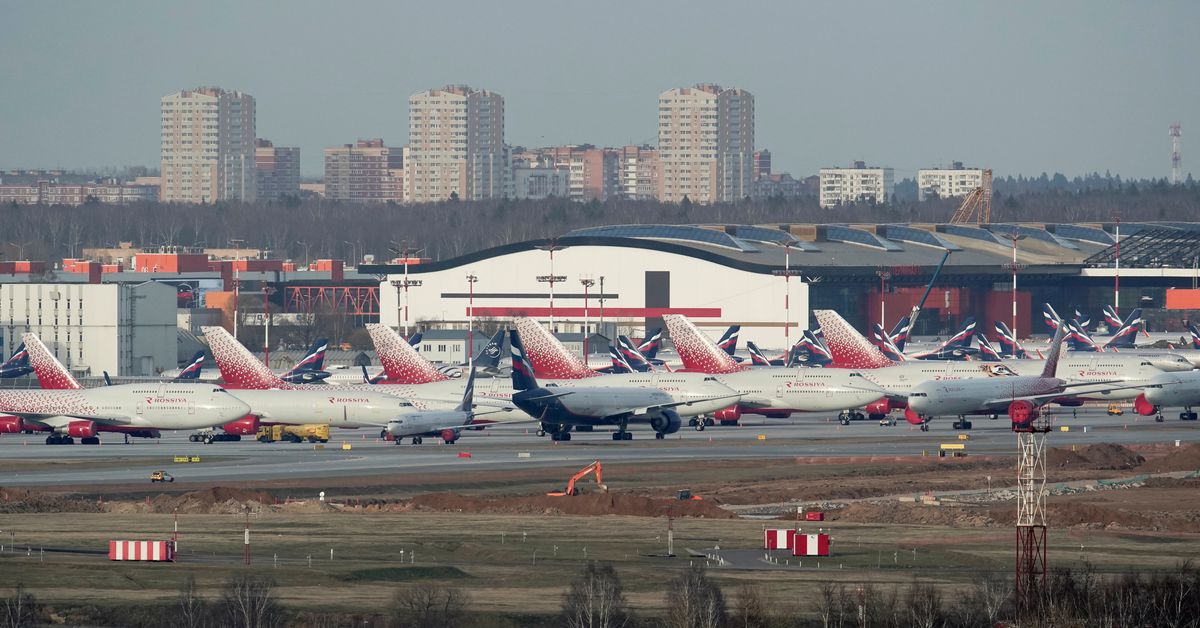
A saleswoman displays a gold necklace inside a jewellery showroom on the occasion of Akshaya Tritiya, a major gold buying festival, in Kolkata, India, May 7, 2019. REUTERS/Rupak De ChowdhuriRegister now for FREE unlimited access to Reuters.comRegister

  • India sees discount of up to $10/oz vs $9 last week
  • Indian buyers will wait for a hefty correction- dealer
  • Buyers in China cautious, conserving their expenditure – analyst

June 10 (Reuters) – Gold discounts in India this week were stretched to their highest level in seven weeks as higher prices repelled demand, while fresh concerns over the spread of COVID in top-consumer China left buyers reluctant to make purchases.This week, dealers in India were offering a discount of up to $10 an ounce over official domestic prices — inclusive of the 10.75% import and 3% sales levies, up from the last week’s discount of $9.Retail buying in India will remain weak, especially from rural areas as farmers focus on planting of summer-sown crops, said a Mumbai-based dealer with a private bullion importing bank.Register now for FREE unlimited access to Reuters.comRegister“In May, prices were attractive. Retail consumers were buying for weddings. Now buyers will wait for a hefty correction,” the dealer said.Weddings are one of the biggest drivers of gold purchases in India.In China, gold was being sold at a discount of $1.5 to a premium of $0.5 an ounce versus global benchmark spot rates .Physical gold demand in China is pretty sluggish, StoneX analyst Rhona O’Connell said, adding that people haven’t been coming back into the market yet after lockdowns were eased, as they are cautious about the outlook and are conserving their expenditure for now.China’s commercial hub of Shanghai faces an unexpected round of mass COVID-19 testing for most residents this weekend – just 10 days after a city-wide lockdown was lifted. read more COVID-related restrictions weighed on demand in China in May and “the average trading volumes of Au9999 – a proxy of Chinese wholesale gold demand – witnessed the weakest May since 2013,” the World Gold Council said in a monthly note.In Hong Kong, gold continued to be sold at a discount of about $1.8 an ounce to a $1 premium, while in Japan, gold was sold between a premium of 50 cents and at par with the benchmark.Register now for FREE unlimited access to Reuters.comRegisterReporting by Eileen Soreng, Bharat Govind Gautam in Bengaluru, Rajendra Jhadav in Mumbai; Editing by Shailesh KuberOur Standards: The Thomson Reuters Trust Principles. .

Oil jumps after Saudi Arabia hikes crude prices

Oil jumps after Saudi Arabia hikes crude prices

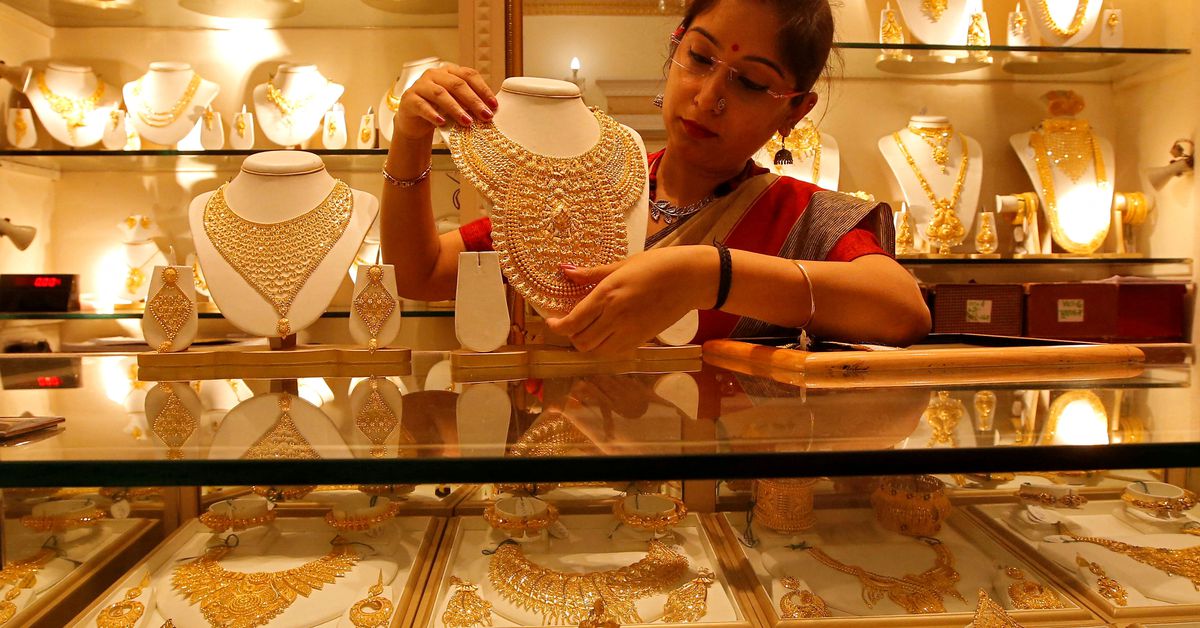
A drilling rig operates in the Permian Basin oil and natural gas production area in Lea County, New Mexico, U.S., February 10, 2019. REUTERS/Nick Oxford/File PhotoRegister now for FREE unlimited access to Reuters.comRegisterMELBOURNE, June 6 (Reuters) – Oil prices rose more than $2 in early trade on Monday after Saudi Arabia raised prices sharply for its crude sales in July, an indicator of how tight supply is even after OPEC+ agreed to accelerate its output increases over the next two months.Brent crude futures were up $1.80, or 1.5%, at $121.52 a barrel at 2319 GMT after touching an intraday high of $121.95, extending a 1.8% gain from Friday.U.S. West Texas Intermediate (WTI) crude futures were up $1.63, or 1.4%, at $120.50 a barrel after hitting a three-month high of $120.99. The contract gained 1.7% on Friday.Register now for FREE unlimited access to Reuters.comRegisterSaudi Arabia raised the official selling price (OSP) for its flagship Arab light crude to Asia to a $6.50 premium versus the average of the Oman and Dubai benchmarks, up from a premium of $4.40 in June, state oil produce Aramco (2222.SE) said on Sunday.The move came despite a decision last week by the Organization of the Petroleum Exporting Countries and allies, together called OPEC+, to increase output in July and August by 648,000 barrels per day, or 50% more than previously planned.”Mere days after opening the spigots a bit wider, Saudi Arabia wasted little time hiking its official selling price for Asia, its primary market…seeing knock-on effects at the futures open across the oil market spectrum,” SPI Asset Management managing partner Stephen Innes said in a note.Saudi Arabia also increased the Arab Light OSP to northwest Europe to $4.30 above ICE Brent for July, up from a premium of $2.10 in June. However, it held the premium steady for barrels going to the United States at $5.65 above the Argus Sour Crude Index (ASCI).The OPEC+ move to bring forward output hikes is widely seen as unlikely to meet demand as several member countries, including Russia, are unable to boost output, while demand is soaring in the United States amid peak driving season and China is easing COVID lockdowns.”While that increase is sorely needed, it falls short of demand growth expectations, especially with the EU’s partial ban on Russian oil imports also factored in,” Commonwealth Bank analyst Vivek Dhar said in a note.Register now for FREE unlimited access to Reuters.comRegisterReporting by Sonali Paul in Melbourne; Editing by Sam HolmesOur Standards: The Thomson Reuters Trust Principles. .
Shift to premium spirits helps Remy weather China lockdowns

Shift to premium spirits helps Remy weather China lockdowns

  • 2021/22 current operating profit up 39.9% vs forecast 38.6%
  • Expects another year of strong growth in 2022/23
  • Still eyes double-digit organic sales growth in Q1 – CEO

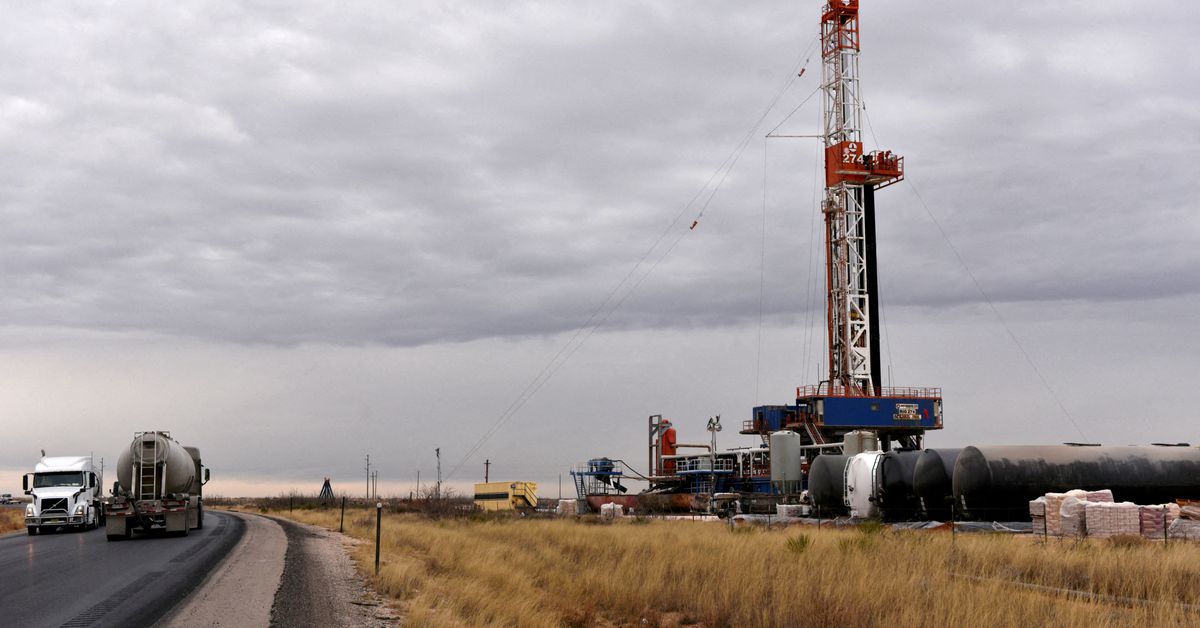
PARIS, June 2 (Reuters) – France’s Remy Cointreau (RCOP.PA) on Thursday predicted a strong start to its new financial year, as broad demand for its premium spirits helps to offset inflationary pressures and the impact of COVID lockdowns in China.The maker of Remy Martin cognac and Cointreau liquor made the upbeat comments after reporting higher-than-expected operating profit growth for its financial year ended March 31.”On the strength of our progress against our strategic goals, new consumption trends and our robust pricing power, we are starting the year 2022-23 with confidence,” Chief Executive Officer Eric Vallat said in a statement.Register now for FREE unlimited access to Reuters.comRegisterThe pandemic has helped Remy’s long-term drive towards higher-priced spirits to boost profit margins, accelerating a shift towards premium drinks, at-home consumption, cocktails and e-commerce.Vallat told journalists that for the new fiscal year, Remy expected “solid profitable growth” as price increases and cost control would help mitigate inflationary pressures.In the short term, Vallat said: “I can confirm we are expecting double-digit organic sales growth in the first quarter despite the lockdown in China and high comparables.”With China accounting for 15-20% of group sales, growth would be led by demand from other regions, notably the United States.Strong demand for its premium cognac in China and the United States, along with tight cost management, lifted the company’s 2021/22 organic operating profit by 39.9% to 334.4 million euros ($356.3 million), beating the 38.6% forecast by analysts.Reflecting its confidence, Remy said it would pay shareholders an ordinary dividend of 1.85 euros per share in cash and an exceptional dividend of 1 euro.”Remy guides to another year of strong growth and margin improvement, led by its strong pricing power, which suggests upside to consensus organic EBIT of +10%,” Credit Suisse analysts said in a note.Remy Cointreau shares jumped more than 3% in early trade, before handing back some gains.The company reiterated its 2030 goals for a gross margin of 72% and an operating margin of 33%. That compares with the 68.6% and 25.5% achieved respectively in 2021/22.($1 = 0.9385 euros)Register now for FREE unlimited access to Reuters.comRegisterReporting by Dominique Vidalon Editing by Sherry Jacob-Phillips and Mark PotterOur Standards: The Thomson Reuters Trust Principles. .

Insurance rates jump for Ukraine war-exposed business, sources say

Insurance rates jump for Ukraine war-exposed business, sources say

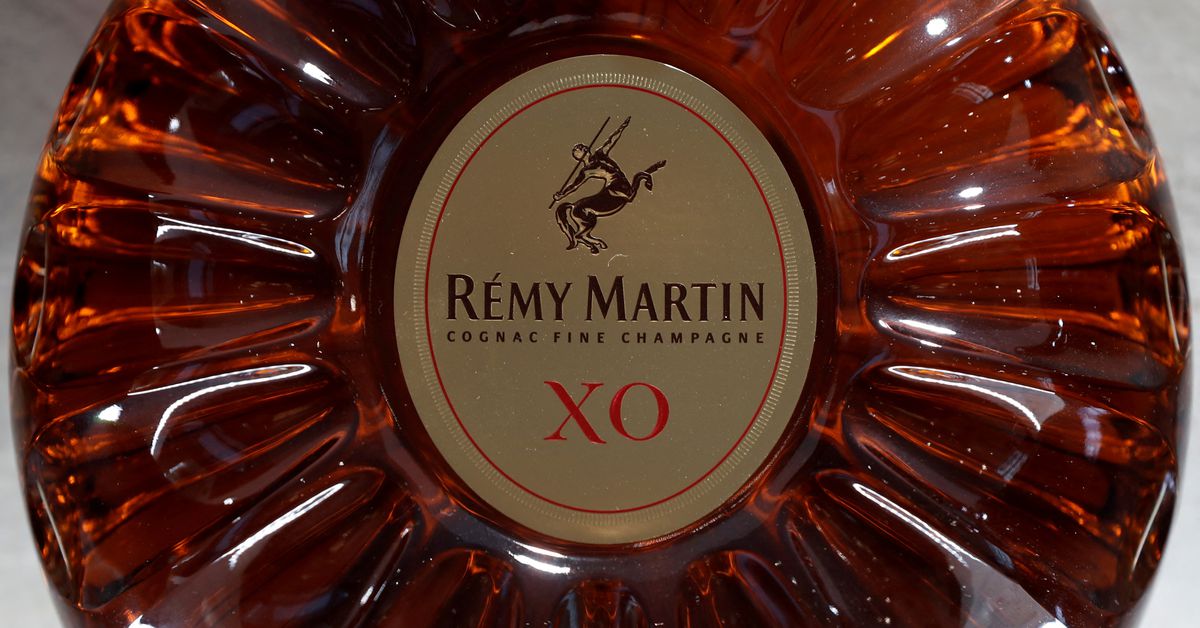
Planes of Aeroflot and Rossiya Airlines are seen parked at Sheremetyevo International Airport, as the spread of the coronavirus disease (COVID-19) continues, outside Moscow, Russia April 8, 2020 REUTERS/Tatyana Makeyeva/File PhotoRegister now for FREE unlimited access to Reuters.comRegisterLONDON, May 30 (Reuters) – Insurance premiums are doubling or more for some aviation and marine business particularly exposed to the war in Ukraine, increasing costs for airline and shipping firms, industry sources say.Global commercial insurance premiums rose 11% on average in the first quarter, according to insurance broker Marsh, which said the war was putting upward pressure on rates.But the overall figure masks sharper moves in some sectors, and only covers the first five weeks following the invasion.Register now for FREE unlimited access to Reuters.comRegisterWar is typically excluded from mainstream insurance policies. Customers buy extra war cover on top.Garrett Hanrahan, global head of aviation at Marsh, said aviation war insurance was no longer available for Ukraine, Russia and Belarus as a result of the conflict.For the rest of the world, aviation war cover has doubled, as insurers try to recoup some of their losses, he said.”The hull war market is beginning to reflate itself through rate rises.”The conflict, which Russia calls a “special military operation”, could lead to insurance losses of $16 billion-$35 billion in so-called “specialty” insurance classes such as aviation, marine, trade credit, political risk and cyber, S&P Global said in a report. read more Aviation insurance claims alone could total $15 billion, S&P Global said, with hundreds of leased planes stranded in Russia as a result of western sanctions and Russian countermeasures.One aircraft lessor described recent rate increases on its insurance as “not a pretty sight”. read more Some aircraft lessors – a particularly exposed sector of the market because their planes are stuck in Russia – were now having to pay 10 times their original premium, one underwriter said, while another said insurers could “name their price” to lessors.In ship insurance, policyholders pay an additional “breach” premium when a ship enters particularly dangerous waters, locations which are updated by the Lloyd’s market.For the area around Russian and Ukrainian waters in the Black Sea and Sea of Avov, this has increased multiple times, three insurance sources said, to around 5% of the value of the ship, from 0.025% before the invasion, amounting to millions of dollars for a seven-day policy.Each time a ship goes into those waters, it has to pay that extra premium.Rates for ships going into other Russian waters have also risen by at least 50% after the Lloyd’s market classified all Russian ports as high risk, two of the sources said.Because of the dangers, some marine insurers have also stopped providing cover for the region. read more Register now for FREE unlimited access to Reuters.comRegisterReporting by Carolyn Cohn, Jonathan Saul and Noor Zainab Hussain, Editing by Angus MacSwanOur Standards: The Thomson Reuters Trust Principles. .
WhatsApp to launch cloud-based tools, premium features for businesses

WhatsApp to launch cloud-based tools, premium features for businesses

A 3D-printed Whatsapp logo is placed on the keyboard in this illustration taken April 12, 2020. REUTERS/Dado Ruvic/Illustration/File PhotoRegister now for FREE unlimited access to Reuters.comRegisterMay 19 (Reuters) – WhatsApp is introducing free cloud-based API services in a push to get more businesses using the app, Meta Platforms (FB.O) CEO Mark Zuckerberg announced at the company’s messaging event on Thursday.The messaging service, which has increasingly courted business users, is one of several platforms where Facebook-owner Meta has launched more shopping and business-focused features.Zuckerberg, speaking at Meta’s “Conversations” event, said the offering would mean “any business or developer can easily access our service, build directly on top of WhatsApp to customize their experience and speed up their response time to customers by using our secure WhatsApp Cloud API hosted by Meta.”Register now for FREE unlimited access to Reuters.comRegisterWhatsApp already has an API, or type of software interface, for businesses to connect their systems and engage in customer service chats on the service, which generates revenue for Meta.Meta, which bought WhatsApp for $19 billion in a landmark 2014 deal, said that businesses would not be able to message people on WhatsApp unless they have requested to be contacted.WhatsApp also said on Thursday it was planning to provide optional paid features as part of a new premium service for users of its specialized business app, which is geared at small businesses.Those features, which are still being developed, will include options to manage chats across up to 10 devices and customized click-to-chat links that businesses can post on their websites and share with customers.Uber (UBER.N) CEO Dara Khosrowshahi, speaking in a session with Meta Chief Operating Officer Sheryl Sandberg at the conference, said a third of the users ordering rides via WhatsApp in India are new customers.The ride-hailing company, which launched its WhatsApp chatbot in December, is now planning to further customize the service starting for users in and around Delhi and expanding to markets like Brazil, he said. read more Register now for FREE unlimited access to Reuters.comRegisterReporting by Elizabeth Culliford in New York and Katie Paul; Editing by Lisa ShumakerOur Standards: The Thomson Reuters Trust Principles. .